Iran's WWII Role: Oil, Axis Sympathies, and Allied Occupation
The global conflict of World War II cast a long shadow, reaching even nations striving for neutrality. Iran, a country rich in oil and strategically positioned at the crossroads of Europe and Asia, found itself unwillingly pulled into the maelstrom. Its complex balancing act between neutrality and perceived Axis sympathies ultimately led to an Allied occupation, a pivotal moment with profound gevolgen Iran oorlog that continue to shape its destiny. Far from a mere bystander, Iran became a crucial player whose wartime experiences laid the groundwork for future geopolitical struggles, including the Cold War's early skirmishes.
The Spark for Intervention: Iran's Neutrality, Axis Ties, and the Oil Imperative
As Europe plunged into war, Iran, under the leadership of Reza Shah Pahlavi, declared its neutrality. However, this neutrality was viewed with suspicion by the Allied powers, particularly the United Kingdom and the Soviet Union. Iran's significant trade ties with Nazi Germany, coupled with the presence of approximately 2,000 German nationals working in key Iranian industries, raised alarm bells. The Shah, an admirer of Germany's industrial prowess and nationalistic spirit, was seen by the Allies as harboring potential Axis sympathies, a concern amplified by his refusal to expel the German contingent.
The strategic stakes were immense. For the United Kingdom, safeguarding the vital Anglo-Iranian oil fields in the south was paramount, especially after securing control over Iraqi oil supplies in May 1941. The prospect of these crucial resources falling into German hands, or being denied to the Allies, was intolerable. Meanwhile, Hitler's invasion of the Soviet Union in June 1941, Operation Barbarossa, drastically shifted the geopolitical landscape. With the Eastern Front ablaze, the Soviets desperately needed a secure supply route for Allied aid. Iran, situated directly between the German and Japanese fronts, offered the most viable corridor, yet Reza Shah had consistently refused to grant the Allies access to the vital Trans-Iranian Railway.
Operation Countenance: Allied Occupation and a Changing Throne
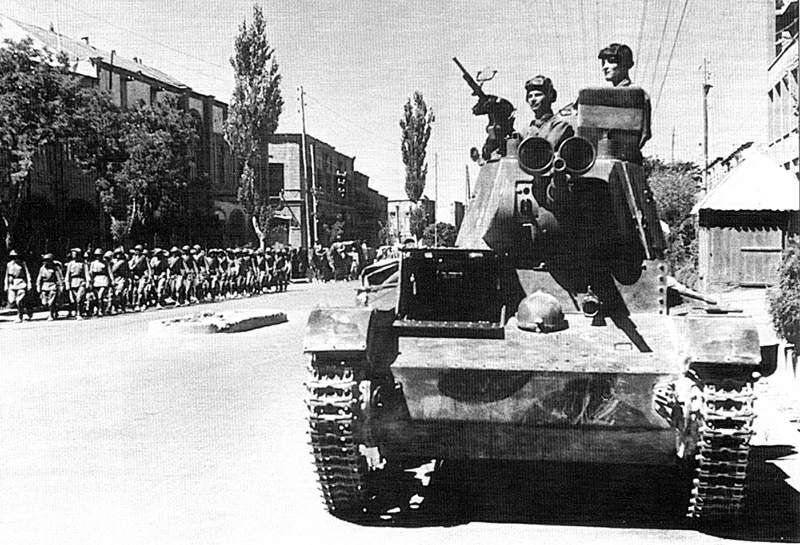
The perceived threat to Allied oil supplies and the urgent need for a supply corridor culminated in Operation Countenance, the Anglo-Soviet invasion of Iran in August 1941. This swift, coordinated military action saw British Commonwealth forces advance from the south and Soviet troops from the north. Iran's military, though modernized by Reza Shah, was no match for the combined might of the invaders, and resistance quickly crumbled.
One of the immediate gevolgen Iran oorlog was the forced abdication of Reza Shah Pahlavi. Seen as an obstacle to Allied objectives and a potential liability, he was exiled to Mauritius. In his place, the Allies installed his 21-year-old son, Mohammad Reza Pahlavi, on the Peacock Throne. This dramatic shift in leadership, orchestrated by foreign powers, profoundly impacted Iranian national sovereignty and set a precedent for external influence in the country's internal affairs that would reverberate for decades. The occupation, while ensuring Allied strategic interests, inflicted a deep wound on Iran's pride and independence.
Iran as a Critical Lifeline: The "Persian Corridor"
Following the occupation, Iran transformed into an indispensable logistical hub for the Allied war effort. Dubbed the "Persian Corridor," it became the most efficient and safest route for delivering desperately needed military supplies, food, and other aid to the Soviet Union. The Trans-Iranian Railway, initially built by Reza Shah to assert national independence, now served a critical international role, ferrying vast quantities of matériel from Persian Gulf ports through Iran's rugged terrain to the Soviet border.
Both British and American forces managed and expanded this corridor, improving infrastructure and streamlining logistics. Tens of thousands of tons of supplies, ranging from tanks and aircraft to foodstuffs and medical equipment, flowed through Iran, bolstering the Red Army's ability to resist the Nazi onslaught. Without the Persian Corridor, the Soviet Union's capacity to wage war on the Eastern Front would have been severely hampered. This period not only showcased Iran's geographical importance but also intertwined its fate with the global struggle against fascism, albeit under foreign occupation.
The Post-War Aftermath: The Iran Crisis and Lingering Gevolgen Iran Oorlog
While the Allied occupation served its wartime purpose, its gevolgen Iran oorlog extended far beyond 1945, directly leading to one of the first major confrontations of the emerging Cold War: the Iran Crisis of 1946. The original agreement stipulated that all foreign troops would withdraw from Iran six months after the war's end. While the British and American forces largely complied, the Soviet Union refused to withdraw its troops from northern Iran.
Stalin harbored ambitions to expand Soviet influence and secure access to Iranian oil reserves. He actively supported the formation of two breakaway "democratic people's republics" on Iranian territory: the People's Republic of Azerbaijan and the Kurdish Republic of Mahabad. This blatant disregard for Iranian sovereignty and international agreements created a tense standoff. The United States, under President Harry S. Truman, viewed this as a direct challenge to post-war order and a dangerous precedent for Soviet expansionism. Truman's firm stance, reportedly including veiled threats of atomic retaliation, ultimately compelled Stalin to withdraw Soviet forces in May 1946, averting a potential global conflict.
This crisis highlighted the fragility of newly emerging post-colonial states and the continuing struggle for sovereignty in a world dominated by superpowers. It also demonstrated the critical role international pressure, backed by the United States, could play in restraining Soviet ambitions. For a deeper understanding of this pivotal moment, explore Iran Crisis: Soviet Ambition, US Pressure, and National Division.
Long-Term Repercussions and Modern Echoes
The WWII occupation and its immediate aftermath left an indelible mark on Iran. The forced abdication of Reza Shah and the installation of his son by foreign powers fostered a deep-seated distrust of external interference among the Iranian populace, contributing to future nationalist sentiments and anti-Western movements. Mohammad Reza Pahlavi's reign, though initially bolstered by Allied support, would later be plagued by challenges to its legitimacy and charges of being a Western puppet. The shadow of foreign intervention, particularly in matters of oil and national governance, continued to loom large.
Moreover, the Iran Crisis set a template for the Cold War, demonstrating how strategic regions could become battlegrounds for ideological and geopolitical rivalries. The historical echoes of this period resonate even today in discussions about Iran's national security, its pursuit of self-sufficiency, and its complex relationship with global powers. Understanding these historical gevolgen Iran oorlog is crucial for comprehending contemporary geopolitical dynamics. Reflecting on past interventions also raises critical questions about current foreign policy, as highlighted in articles like US Democracy at Risk: The Unforeseen Costs of War with Iran, which examines the broader costs and implications of military engagement in the region.
Fact: During the peak of the Persian Corridor's operations, an average of 5,000 tons of supplies were transported daily through Iran to the Soviet Union.
In conclusion, Iran's experience during World War II was far from a peripheral event. From its attempted neutrality to becoming a crucial Allied lifeline, and then a flashpoint for Cold War tensions, the country endured significant transformations. The Allied occupation, driven by strategic imperatives and resource control, had profound and lasting gevolgen Iran oorlog, shaping its leadership, national identity, and its often-contentious relationships with international powers. The lessons from this era underscore the enduring importance of national sovereignty and the complex interplay of geopolitics, resources, and power in shaping the destiny of nations.